

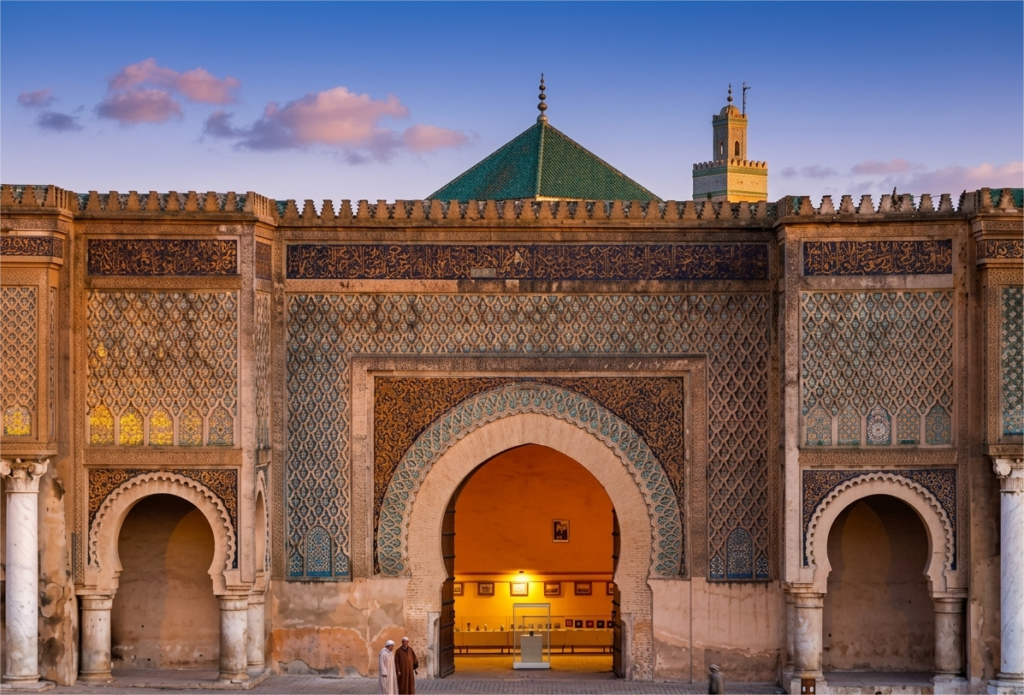
Meknes, one of Morocco’s four imperial cities, is often called the “City of a Hundred Minarets.” Known for its calm charm, grand gates, and historical importance, Meknes offers a quieter yet equally fascinating experience compared to cities like Fes or Marrakech. Located in northern Morocco, near the Middle Atlas Mountains, Meknes combines the beauty of Moroccan architecture with a relaxed lifestyle that makes it a perfect stop for travelers who want to explore Morocco’s royal past.
Although less crowded than other famous Moroccan cities, Meknes has its own unique appeal — elegant palaces, massive walls, and a medina full of life. It’s a hidden gem that captures the soul of Morocco through history, craftsmanship, and warm hospitality.
History and Heritage
The city of Meknes dates back to the 11th century, when it was founded by the Almoravids as a military settlement. It gained prominence under Sultan Moulay Ismail in the 17th century, who made it the capital of Morocco. During his reign, Meknes was transformed into a magnificent imperial city, inspired by the architecture of Versailles in France.
Sultan Moulay Ismail built impressive palaces, stables, and mosques, as well as massive city gates that remain among the most beautiful in the country. His vision turned Meknes into a symbol of Moroccan power and elegance. Today, the city is recognized as a UNESCO World Heritage Site, preserving the architectural and cultural legacy of the Alawite dynasty.
The Medina of Meknes
The Old Medina of Meknes is smaller and less chaotic than the one in Fes, but it’s equally rich in character. Its narrow alleys are lined with colorful shops, artisan workshops, and local cafés. You can find traditional Moroccan goods like carpets, pottery, leather items, and spices.
One of the most impressive sights in the Medina is Bab Mansour, the grand gate built by Sultan Moulay Ismail. With its intricate zellige (tilework) and towering arches, Bab Mansour is often considered one of the most beautiful gates in North Africa.
Just across from Bab Mansour lies El Hedim Square, the lively heart of Meknes. Similar to Marrakech’s Jemaa el-Fna, the square comes alive at night with street performers, food stalls, and families enjoying the evening breeze.
Palaces and Monuments
Meknes is filled with monuments that tell the story of its imperial past. The Royal Stables of Moulay Ismail are among the city’s most impressive sights — built to hold up to 12,000 horses! The design of the stables, with their massive arches and thick walls, shows the sultan’s ambition and power.
Nearby, you’ll find the Heri es-Souani, huge granaries and water storage systems that once provided food and water for the royal city. Walking through these vast stone halls gives visitors a sense of the grandeur of ancient Morocco.
The Mausoleum of Moulay Ismail, where the great sultan himself is buried, is one of the few Islamic sites in Morocco open to non-Muslims. Its peaceful atmosphere and stunning interior decoration — with marble columns, colorful zellige, and carved wood — make it a must-see attraction
Food and Local Flavors
Meknes offers delicious Moroccan cuisine with a local twist. The city is surrounded by fertile farmland, so many dishes feature fresh vegetables, olives, and fruits. A visit to Meknes wouldn’t be complete without trying a traditional tagine, slow-cooked with lamb, prunes, and almonds — a local favorite.
Meknes is also famous for its olive oil and wine production, thanks to its Mediterranean climate. The nearby region of Volubilis produces some of Morocco’s best olives and grapes. You can taste the local flavors in small restaurants or enjoy street food like brochettes (meat skewers) and msemen (Moroccan pancakes).
Culture and Lifestyle
Meknes is known for its friendly and welcoming people. Life moves at a slower pace here, and the city’s calmness makes it ideal for travelers looking for authenticity. The residents take pride in their city’s history and are always happy to share stories about the legacy of Moulay Ismail.
Artisans in Meknes continue to work with traditional techniques, especially in metalwork, wood carving, and pottery. The craftsmanship in Meknes is known for its precision and elegance, reflecting the city’s royal heritage.
Each year, Meknes hosts several cultural and religious festivals, including the Moussem of Moulay Idriss Zerhoun, which attracts thousands of pilgrims from across Morocco.
Surroundings and Day Trips
One of the best things about Meknes is its location. From here, you can easily visit Volubilis, the ancient Roman ruins just 30 km away. This archaeological site is one of the best-preserved Roman cities in Africa, featuring stunning mosaics and columns surrounded by olive groves.
Another nearby attraction is Moulay Idriss Zerhoun, a beautiful whitewashed town built on two hills. It is considered one of the holiest places in Morocco, as it was founded by Moulay Idriss I, the great-grandson of the Prophet Muhammad.
These day trips make Meknes an ideal base for travelers interested in history, culture, and spirituality.
Conclusion
Meknes may be quieter than Marrakech or Fes, but that’s what makes it truly special. It’s a city where time slows down, history lives in every corner, and Moroccan tradition shines through daily life. From its majestic gates and royal palaces to its peaceful medina and welcoming people, Meknes Morocco offers an authentic glimpse into the country’s imperial heritage.
For travelers who love architecture, culture, and stories from the past, visiting Meknes is like opening a chapter from Morocco’s golden age. Whether you’re exploring the ruins of Volubilis, admiring Bab Mansour, or simply enjoying mint tea in El Hedim Square, Meknes will leave you with lasting memories of Morocco’s timeless beauty.